
Goal: $3,500.00
Specific Need
Youth and young adults, who are more tech-savvy, tend to rely heavily on social media platforms like TikTok, Snapchat, and Instagram. These platforms provide instant, often bite-sized content, curated algorithms, and trends that influence their perspectives and decisions. They offer immediate engagement with peers and influencers, which makes the information feel more personal and relatable, though it can sometimes lack depth or credibility.
On the other hand, adults, particularly parents and caregivers, often turn to more traditional sources of information like local news channels, radio, and newspapers. These platforms usually provide more formal, fact-checked content but are often slower to respond to breaking trends or shifts in culture. As a result, the information adults receive can feel more reliable but may be out of sync with the rapidly changing world of social media.
This generational gap in information consumption can lead to misunderstandings and conflicts. For instance, parents might feel disconnected from the concerns or interests of their children, while young people might feel that their parents are out of touch with modern culture.
Bridging this gap requires open communication and mutual understanding. Parents and caregivers may need to become more familiar with the digital platforms their children use, while youth might benefit from learning about the value of traditional news sources, fostering a balanced, informed perspective on the world.
To create effective awareness messaging that resonates with both young people and their parents/caregivers, I'll need to tailor my approach to each group while ensuring consistency in the overall message. Here is my multi-pronged strategy to help reach all segments of the community:
1. Understand the Platforms
- Youth: Engage primarily on social media platforms such as TikTok, Instagram, Snapchat, and YouTube. Focus on visual and short-form content that grabs attention quickly.
- Parents/Caregivers: Use traditional media (local TV, radio, newspapers), as well as Facebook and email newsletters for those more tech-savvy. They prefer detailed, informative content that they trust.
2. Create Platform-Specific Content
- Social Media (TikTok, Instagram, Snapchat) for Youth:
- Visual Appeal: Use eye-catching images, videos, and infographics. For TikTok, create short, engaging videos with popular music or trends.
- Challenges/Hashtags: Youth respond well to trends and challenges. Use this to create a community challenge or viral campaign.
- Influencers/Peers: Partner with local influencers or trusted voices from the community to share the message authentically.
- Traditional Media for Parents/Caregivers:
- Local News/Radio/Newspapers: Write press releases and pitch interviews for awareness campaigns. Radio ads can have a strong local reach.
- Flyers and Newsletters: Physical flyers delivered through schools, community centers, and local businesses can reach parents who are less digital-savvy.
- Facebook/Email Newsletters: Write more detailed posts or send informative newsletters via email with actionable tips.
3. Craft Unified Messaging with Different Tones
- For Youth (Relatable, Trendy, and Action-Oriented):
- Keep the language casual and engaging.
- Use memes, humor, or storytelling to draw them in.
- Example: "Life’s moving fast—don’t miss out! Check out how you can make a difference in [insert cause]."
- For Parents (Informative, Trustworthy, and Community-Focused):
- Use reassuring, informative language, and offer clear benefits.
- Example: "As parents, we want to keep our kids informed and safe. Here’s how you can support them in today’s digital world."
4. Leverage Cross-Generational Appeal
- Family-Oriented Messaging: Create content that encourages youth and parents to engage together. For example, a family challenge or event where they can collaborate or learn together (e.g., local volunteer opportunities, community workshops).
- Bridging Conversations: Encourage open conversations between parents and youth. Use your messaging to provide conversation starters, resources for discussion, or common ground topics that both generations can relate to.
5. Host Events or Initiatives that Bring Both Together
- Community Events: Host family-friendly community events or virtual meet-ups where both youth and parents can participate. Promote these events through all channels.
- Workshops/Webinars: Offer workshops that focus on topics like "Understanding Social Media for Parents" or "How to Stay Informed Safely Online for Teens." This positions you as a bridge-builder.
6. Consistency in Message and Branding
Ensure that the core message is the same across all platforms, even if the format and tone vary. Whether it's about safety, health, or community involvement, the goal should be clear and consistent.
7. Engage with Local Schools and Community Centers
Partner with schools, after-school programs, and community centers to further distribute your message. Schools are key touchpoints for both parents and children, and they can help disseminate information through newsletters, PTA meetings, and social media channels.
By using this multi-channel approach, you can effectively deliver your awareness messaging to both parents and youth in a way that is engaging, relevant, and impactful for each audience.
Mission
"Our mission is to empower individuals and communities through education and awareness, providing accurate and non-judgmental information about fentanyl and its risks. By fostering understanding and promoting proactive harm reduction strategies, we aim to protect lives, reduce harm, and create safer, healthier communities."
Profile
Dear Family and Friends,
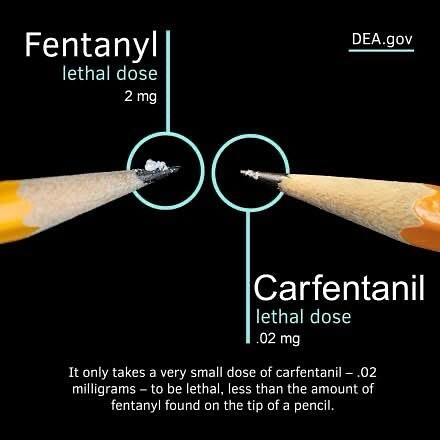
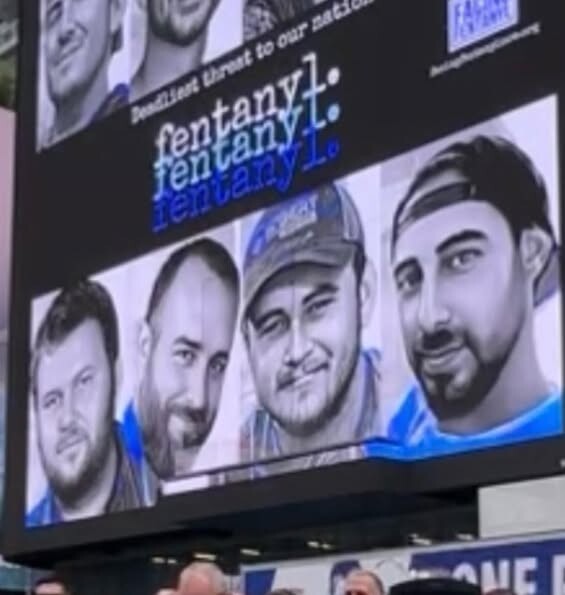
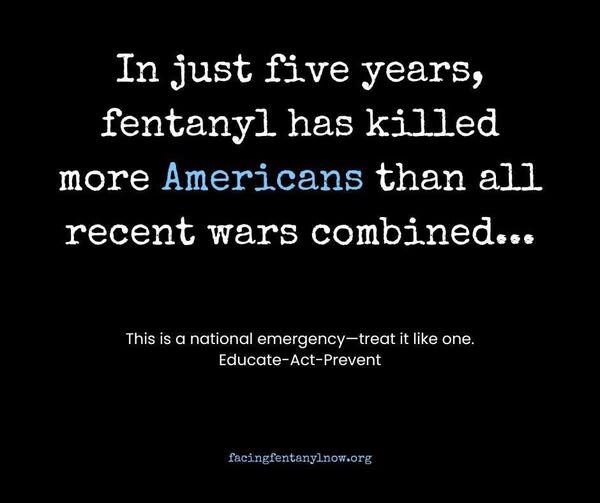
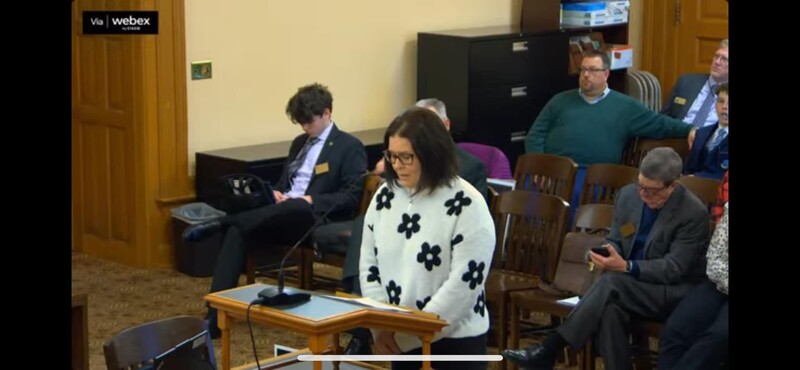
I’m reaching out to ask for your support in reaching my fundraising goal with the Wamego Community Foundation. Since losing my beloved son, Jayson in 2021 to a counterfeit pill, I’ve dedicated myself to educating families about the dangers of fentanyl and empowering youth and young adults to make safer decisions in today’s deadly drug landscape. Through student assemblies, parent information nights, and community awareness events, I strive to provide vital resources to any group in our local community and across the state of Kansas. Your contributions will directly help us provide essential programs that equip youth and families with the knowledge and tools they need to thrive. The threats posed by illicit substances, especially fentanyl, are more urgent than ever, and together we can make a difference. Let’s unite as a community to support this crucial cause. Please consider donating today to help me reach my goal and create a lasting impact on the lives of youth and young adults nationwide.
Thank you for your kindness and support! God bless you and your family!
Warm regards,
Jennifer Ebert
The Jayson Ebert Foundation
Photos & Videos

in 34 gifts

Contact
14890 Gillaspie RoadWamego, KS 66547
Phone: (785) 556-7053
Connect with us